Loading…
PSHP 2026 Residency Conference has ended
Type: Critical Care clear filter
arrow_back View All Dates
Tuesday, May 19
 

9:00am EDT

Comparing Fentanyl Infusion Dosing Before and After Implementation of a Non-Weight-Based Approach in the Critical Care Unit
Tuesday May 19, 2026 9:00am - 9:20am EDT
Purpose: Evaluate the overall impact of transitioning from a weight-based to non-weight-based fentanyl infusion dosing strategy in critically ill, mechanically ventilated patients in the critical care unit.
Methods: Through a retrospective electronic medical record chart review, adult patients who were admitted to the critical care unit, were mechanically ventilated and receiving a fentanyl infusion were identified for inclusion. Exclusion criteria included patients not admitted to the critical care unit, not mechanically ventilated, did not receive a fentanyl infusion for more than 24 hours, received concomitant neuromuscular blockers and patients who underwent targeted temperature management. The patient population was characterized using descriptive statistics. Students’ T-test or Mann-Whitney U tests were used for continuous variables, and Chi-squared was used to measure the association between categorical variables. Power calculation determined that 100 patients would be included to evaluate study outcomes.
Results: One hundred patients were included in the final analysis. For daily fentanyl dose, there was no statistically significant difference between pre- and post-implementation groups (p-value: 0.391). There was a statistically significant difference between groups for the maximum fentanyl infusion dose (p-value = 0.007). The subset of patients with BMI 30 or greater showed no difference between groups for daily fentanyl dose (p-value: 0.411). The difference between subset groups for maximum fentanyl infusion dose was statistically significant (p-value: 0.006). For length of stay in the critical care unit and total time spent on mechanical ventilation, there was not a statistically significant difference between groups (p-value: 0.139).
Conclusion: Implementation of a non-weight-based fentanyl infusion dosing strategy did not significantly reduce mean daily fentanyl dose compared to weight-based dosing. However, it significantly reduced maximum infusion doses, including in patients with a BMI ≥30. No significant differences were observed in ICU length of stay or duration of mechanical ventilation. These findings suggest non-weight-based dosing may reduce peak opioid exposure without compromising clinical outcomes.
Moderators Speakers
avatar for Carmelina Branca

Carmelina Branca

PGY1, Penn State Health - St. Joseph Medical Center
I have been working in the pharmacy field since 2015. I began as a certified technician and later became a pharmacy intern during my pharmacy school studies. Currently, I am almost finished with my PGY1 and plan to stay on Per Diem at my current hospital while I look for a full-time... Read More →
Tuesday May 19, 2026 9:00am - 9:20am EDT
a.Pavilion Hub EAST

9:20am EDT

Trends in Sedative and Paralytic Exposures in Critically Ill Pediatric Patients During Three Different Time Periods
Tuesday May 19, 2026 9:20am - 9:40am EDT
Purpose: This study compared the trends of total daily dose (TDD) of sedation and paralytic medications in intubated pediatric patients prior to and after the implementation of the State Behavioral Scale (SBS) and Cornell Assessment of Pediatric Delirium (CAPD). 


Methods: This was an IRB-exempt single center retrospective chart review taking place during three different time periods in the pediatric intensive care unit (PICU) at Penn State Health Golisano Children’s Hospital (PSHGCH). Study periods were defined as follows: Stage 1, (January 1, 2017-December 31, 2018) prior to the implementation of both SBS and CAPD; Stage 2 (March 5, 2024-January 31, 2025), following SBS but prior to CAPD implementation; and Stage 3 (February 1, 2025-August 31, 2025), after implementation of both SBS and CAPD. In each cohort, TDD was calculated for all sedative, paralytic, and delirium agents. Daily sedation burden was calculated using the Pediatric Normalized sedation Index (PNSI), which provides an objective measure of sedation burden for the patient. The primary outcome of this study is to compare sedative and paralytic use before and after the implementation of SBS and CAPD. Data analysis was done using the Kruskal-Wallis test. 


Results: 526 patients were screened with the inclusion of 134 patients in the final analysis. Baseline characteristics were well balanced across groups, with no meaningful differences observed except length of intubation (p = 0.0496).  PNSI differed overall across all time points combined and changed differently overtime with an apparent increase in sedation use during Stage 2 and subsequent decrease in sedation use during Stage 3 (Group p <0.001; Interaction p <0.0010). PNSI on each individual day was not statistically significant except for day 1 (p < 0.001). Vecuronium use differed across all time points combined but did not distinctly change over time (Group p < 0.001; Interaction p = 0.1008). 


Conclusion: Sedation use increased during Stage 2 following implementation of SBS scoring and subsequently decreased during Stage 3 with the implementation of CAPD scoring. Trends in paralytic use remained inconclusive and limited clinical interpretation. Larger future studies are needed to better evaluate these patterns and determine the clinically meaningful impact of SBS and CAPD on both sedation and paralytic use. 
Moderators Speakers
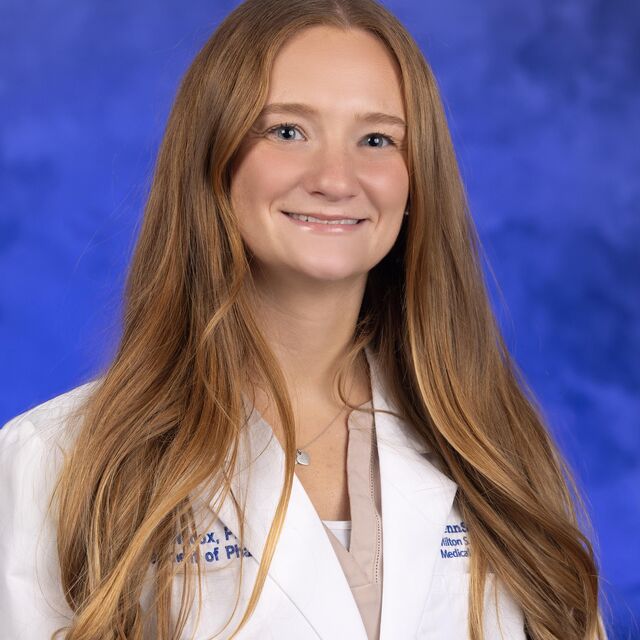
avatar for Jess Wilcox

Jess Wilcox

PGY1, Penn State Health Milton S. Hershey Medical Center
I am from Exton, PA, completed my undergraduate degree at Bloomsburg University and got my PharmD from Philadelphia College of Pharmacy. Next year, I will be staying at Hershey to complete PGY2 in Critical Care 
Tuesday May 19, 2026 9:20am - 9:40am EDT
a.Pavilion Hub EAST

9:40am EDT

Comparison of Heparin versus Bivalirudin Therapy for Anticoagulation in Patients Receiving Extracorporeal Membrane Oxygenation
Tuesday May 19, 2026 9:40am - 10:00am EDT
PURPOSE: The purpose of this study is to evaluate the safety and efficacy of bivalirudin versus heparin as anticoagulation for patients receiving either VA or VV ECMO. 
 
METHODS: This single center, retrospective chart review evaluated patients at Temple University Hospital between June 1st, 2019 to June 30th, 2025 who were placed on either VA or VV ECMO and received anticoagulation with either heparin or bivalirudin for at least 72 hours. The primary composite endpoint for the efficacy of bivalirudin in the use of ECMO compared to heparin was the overall incidence of thrombosis occurrences including venous and arterial thromboembolism and/or circuit related thrombotic event occurring after anticoagulation initiation. Secondary outcomes included bleeding occurrences while on anticoagulation and ECMO and the average volume of blood products received. Data collection included patient demographics, baseline characteristics, and anticoagulant used while on ECMO. Demographic data was analyzed using descriptive statistics, categorical data was analyzed using Chi- square test, and continuous data was analyzed by Student T-test. 
 
RESULTS: A total of 78 patients were included: median age 59, 69% male, and 60% received VV ECMO. The incidence of thrombotic events was similar between heparin and bivalirudin (10.2% versus 12.5%, p = 0.754). More patients who received heparin experienced a major bleeding event compared to those who received bivalirudin (28.2% versus 2.6%, p < 0.001). Additional analysis is ongoing.
 
CONCLUSION: Patients receiving bivalirudin for systemic anticoagulation on extracorporeal membrane oxygenation did not have an increased incidence of thrombotic events and had a significantly lower incidence of major bleeding events compared to heparin.  
Moderators Speakers
CM

Caitlin Maskornick, PharmD

PGY1, Temple Health, Temple University Hospital
Attended pharmacy school at Northeastern University, Boston, MACurrent PGY1 Resident at Temple University Hospital, Philadelphia, PAUpcoming PGY2 Solid Organ Transplant Resident at Temple University Hospital, Philadelphia, PA
Tuesday May 19, 2026 9:40am - 10:00am EDT
a.Pavilion Hub EAST

10:00am EDT

Evaluation of Initial Management for Acute Blood Pressure Control in Intracerebral Hemorrhage
Tuesday May 19, 2026 10:00am - 10:20am EDT
Purpose:
To evaluate the proportion of patients with spontaneous intracerebral hemorrhage (ICH) achieving institutional systolic blood pressure (SBP) targets within 60 minutes of head computed tomography (HCT).


Methods:
This retrospective cohort study included adult patients with spontaneous ICH admitted to entities within the University of Pennsylvania Health System between January 1, 2025, and November 30, 2025. Patients were stratified by presenting SBP (<220 mmHg vs >220 mmHg), corresponding to institutional protocol targets. For patients presenting with SBP greater than 220 mmHg, the initial goal is to reduce SBP to less than 180 mmHg within the first hour. For patients presenting with SBP between 180–220 mmHg, the target range is 130–150 mmHg. The  primary outcome was achievement of protocol-defined SBP target within 60 minutes of HCT confirmation. Secondary outcomes included antihypertensive medication regimen, time to target SBP, SBP variability during the first six hours after HCT , neurologic outcomes , incidence of hematoma expansion or ischemic stroke, mortality, and safety outcomes including hypotension and bradycardia. 


Results: 
A total of 39 patients met inclusion criteria (SBP <220 mmHg: n=23; SBP >220 mmHg: n=16). Achievement of target SBP within 60 minutes occurred more frequently in patients presenting with SBP > 220 mmHg (39.1% vs 93.8%, p<0.01).  Nicardipine was utilized in all patients and was initiated within 30 minutes of HCT confirmation in 69.6% and 75% of patients with SBP <220 mmHg and >220 mmHg, respectively. In-hospital mortality occurred in 8.7% of patients with SBP <220 mmHg and 6.3% with SBP >220 mmHg (p=1.00). The incidence of ischemic stroke was 8.7% versus 25.0%, respectively (p=0.21). Hypotension occurred in one patient (4.3%) in the SBP <220 mmHg group (p=1.00).  No  cases of bradycardia were observed.


Conclusion:
Patients with SBP >220 mmHg were more likely to achieve protocol-defined SBP targets within 60 minutes compared with those <220 mmHg. Despite rapid blood pressure reduction, rates of hypotension and bradycardia were low. These findings suggest that early SBP control in patients with moderately elevated SBP may reflect differences in clinical attention and management intensity, highlighting a potential need for more optimized titration strategies.


Moderators Speakers
avatar for Elizabeth George

Elizabeth George

PGY2 Critical Care, Penn Medicine, Penn Presbyterian Medical Center
Liz completed her PGY-1 at St. Luke’s University Health Network and is currently completing a PGY-2 in critical care at Penn Presbyterian Medical Center.
Tuesday May 19, 2026 10:00am - 10:20am EDT
a.Pavilion Hub EAST

10:30am EDT

Evaluation of Guideline-Recommended Weight-Based Initial Vancomycin Dosing in Septic Patients and the Effects on Therapeutic Level Achievement and Clinical Outcomes
Tuesday May 19, 2026 10:30am - 10:50am EDT
Abstract Title: Evaluation of Guideline-Recommended Weight-Based Initial Vancomycin Dosing in Septic Patients and the Effects on Therapeutic Level Achievement and Clinical Outcomes
Purpose: This study was designed to evaluate guideline-recommended weight-based initial vancomycin dosing of 25 mg/kg in septic patients and the effects on therapeutic level achievement and clinical outcomes.  
Methods: Institutional Review Board approval was obtained for this retrospective observational chart review. Patients were identified based on the order set utilized by providers for vancomycin loading dose. The order set used prior to September 2023 allowed providers to order a maximum loading dose of 1,500 mg, while the new sepsis order set guides providers to order 25 mg/kg loading doses with a maximum dose of 3,000 mg. Data was collected from March 1st 2023, through March 31st, 2025. The primary outcome is to determine if sufficient loading doses of vancomycin in septic patients result in faster achievement of therapeutic levels. Secondary outcomes include the rate of patients who experienced nephrotoxicity, time to administration of loading doses, length of stay, 30-day mortality, critical care admission, and the rate of MRSA bacteremia. Data analysis was completed with descriptive statistics, Wilcoxon Sum Rank test and Chi-squared test. 
Results: Initial vancomycin doses of 25 mg/kg, based on total body weight, in septic patients results in faster therapeutic achievement (p-value 0.000004) and lower rates of acute kidney injuries (p-value 0.005). The time from order to administration of initial vancomycin doses in the post-implementation group was about 25 minutes faster than the pre-implementation group and was almost one day shorter for the average length of stay compared to the pre-implementation group. In the pre-implementation group, the average loading dose was 15.5 (SD of 3.1) and the average AUC was 365.3 mg/h/L (SD of 122.6). In the post-implementation group, the average loading dose was 20.1 (SD of 4.4) and the average AUC was 419.9 (SD of 95.2).
Conclusion: Increased initial vancomycin doses resulted in faster therapeutic achievement and lower rates of acute kidney injury. There were no statistically significant differences between 30-day mortality, admission to critical care unit, MRSA bacteremia, time from order to administration and length of stay. Results support updating non-sepsis vancomycin order sets to increase the initial dose, as well as promoting batching larger vancomycin doses. 
Authorship: Paige de Fremery, PharmD; Miranda Cason, PharmD, BCPS; Troy Albrecht, PharmD, BCPS, BCIDP
Moderators
SM

Samantha Macko, PharmD

Advanced Clinical Pharmacist, Thomas Jefferson University Hospital

avatar for Alyssa Polotti, PharmD, BCCCP

Alyssa Polotti, PharmD, BCCCP

Clinical Pharmacy Specialist - Emergency Medicine/Trauma, St Mary Medical Centr - Trinity Health

Speakers
avatar for Paige de Fremery

Paige de Fremery

PGY1, Penn State Health St. Joseph
Graduated Ohio Northern University in 2025. Currently a PGY1 Pharmacy Resident at Penn State Health St. Joseph. Interested in emergency medicine, infectious disease and pain and palliative. 

Tuesday May 19, 2026 10:30am - 10:50am EDT
a.Pavilion Hub WEST

10:50am EDT

Evaluation of the impact of anti-Xa monitoring for the prevention of venous thromboembolism (VTE) in trauma patients
Tuesday May 19, 2026 10:50am - 11:10am EDT
Purpose:  
The purpose of this study is to evaluate the impact of prophylactic anti-Xa monitoring on rates of venous thromboembolism (VTE) events and bleeding in trauma patients at a level one trauma center.  
 
 
Methods:  
This retrospective cohort study includes patients admitted to the trauma surgery service from January 2019 – July 2025 treated with enoxaparin for VTE prophylaxis. Exclusion criteria includes patients who spent 48 hours or more at a referring facility before transfer or an anti-Xa level collected before 3.5 hours of after 6.5 hours from last enoxaparin dose. Patients were identified via an Enterprise Information Management report, data was extracted from the electronic health record using REDCap, and statistical analysis was completed using Microsoft Excel. The primary outcome is rate of thromboembolic events, and secondary outcomes include rates of bleeding, units of red blood cells transfused, ICU and hospital length of stay (LOS). Categorical data is compared using a chi-squared test, and continuous data is reported using descriptive statistics. The study is IRB exempt by the institutional review board at the study site.  
 
Results:  
A total of 196 patients are included in the study; 91 received anti-Xa monitoring and 105 patients did not. No statistically significant differences in rates of VTE events were observed between patients who received anti-Xa monitoring compared with those who did not (9.9% vs 7.6%, p-value 0.573). Rates of bleeding were higher in the anti-Xa monitoring group (44.0% vs 26.7%, p-value 0.01). Patients who received anti-Xa monitoring were more likely to have missed doses of enoxaparin (56.0% vs 41.0% p-value 0.03) and had a longer median ICU LOS (13.6 days vs 6.3 days). In patients receiving anti-Xa monitoring, 48/91 (52.7%) patients had an initial anti-Xa within the goal range, and only 3/91 (2.2%) had an anti-Xa above the goal range.  


Conclusion: 
Anti-Xa monitoring did not result in a difference in VTE events and was associated with higher bleeding rates. However, the anti-xa monitoring group had more missed doses of enoxaparin and longer ICU length of stay, which are risk factors for VTE events. This suggests that patients who received anti-xa monitoring likely had a greater severity of illness, leading to higher rates or bleeding, despite not having supratherapeutic anti-xa levels.  
Moderators
SM

Samantha Macko, PharmD

Advanced Clinical Pharmacist, Thomas Jefferson University Hospital

avatar for Alyssa Polotti, PharmD, BCCCP

Alyssa Polotti, PharmD, BCCCP

Clinical Pharmacy Specialist - Emergency Medicine/Trauma, St Mary Medical Centr - Trinity Health

Speakers
avatar for Brady Wisniewski

Brady Wisniewski

PGY-2 Critical Care Pharmacy Resident at Penn State Health Milton S. Hershey Medical Center, Penn State Health Milton S. Hershey Medical Center
Current PGY-2 critical care pharmacy resident at Penn State Health Milton S. Hershey Medical Center
Tuesday May 19, 2026 10:50am - 11:10am EDT
a.Pavilion Hub WEST

11:10am EDT

Assessment of Bradycardia with Dexmedetomidine Use for Sedation in Non-Cardiac Intensive Care Units
Tuesday May 19, 2026 11:10am - 11:30am EDT
PURPOSE: This study evaluates the incidence of bradycardia following dexmedetomidine initiation in critically ill patients and identifies clinical predictors and dosing patterns to inform monitoring and optimize sedation practices.
METHODS: This retrospective chart review included critically ill adult patients who received a dexmedetomidine infusion for greater than 2 hours admitted to a non-cardiac intensive care unit (ICU) from November 1st, 2024 to November 1st, 2025. The primary outcome was the incidence of bradycardia defined as less than 60 beats per minute (bpm) following dexmedetomidine initiation. Secondary outcomes included incidence of severe bradycardia (less than 40 bpm or requiring clinical action), incidence of hypotension, time to first bradycardic event, dose and duration of infusion, liver function on ICU admission, body mass index (BMI) at time of infusion initiation, and concomitant use of vasoactive or rate-controlling medications. Descriptive statistics were used to summarize primary and secondary outcomes, and a binary logistic regression was performed as an exploratory analysis to identify predictors of bradycardia.
RESULTS: Seventy patients were included, with bradycardia occurring in 25 patients (35.7%). Severe bradycardia occurred in 2 patients (2.9%). Median time to first bradycardic event was 6.33 hours [2.93, 10.45]. Median infusion duration was 28.1 hours [14.6, 72], and mean infusion rate was 0.99 ± 0.48 mcg/kg/hr. Hypotension occurred in 41 patients (58.6%), and vasopressor therapy was continued or initiated in a subset of patients during infusion. In a binary logistic regression, higher heart rate on hospital admission was associated with increased odds of bradycardia [p=0.013, (OR 1.046, 95% CI 1.010-1.084)], while higher heart rate at dexmedetomidine initiation was associated with decreased odds of bradycardia [p=0.004 (OR 0.936, 95% CI 0.896-0.979)].
CONCLUSION: Bradycardia occurred in over one-third of critically ill patients receiving dexmedetomidine. Baseline heart rate predicted bradycardia risk, with effects varying based on when it was measured, as higher heart rate on hospital admission increased risk while higher heart rate at dexmedetomidine initiation was associated with lower risk. These findings highlight the need for patient-specific assessment and close monitoring during therapy.
IRB Approval: iRISID-2026-0188
Moderators
SM

Samantha Macko, PharmD

Advanced Clinical Pharmacist, Thomas Jefferson University Hospital

avatar for Alyssa Polotti, PharmD, BCCCP

Alyssa Polotti, PharmD, BCCCP

Clinical Pharmacy Specialist - Emergency Medicine/Trauma, St Mary Medical Centr - Trinity Health

Speakers
avatar for Christina Wallace

Christina Wallace

PGY2 - Critical Care, Jefferson Health, Thomas Jefferson University Hospital
I am currently the PGY2 Critical Care Pharmacy Resident at Thomas Jefferson University Hospital, where I also completed by PGY1 training. My clinical interests include sedation and analgesia management (PADIS) and the pharmacokinetic and pharmacodynamic alterations seen in critically... Read More →
Tuesday May 19, 2026 11:10am - 11:30am EDT
a.Pavilion Hub WEST
 
Share Modal

Share this link via

Or copy link

Filter sessions
Apply filters to sessions.
Filtered by Date -