Loading…
PSHP 2026 Residency Conference has ended
Monday May 18, 2026 12:50pm - 1:10pm EDT
Purpose: 
To evaluate enteral nutrition (EN) practices and tolerance in critically ill patients receiving ≥2 vasopressors and to inform evidence-based feeding recommendations for this high risk population. 
Methods: 
This single center, retrospective chart review included adult ICU patients receiving ≥2 vasopressors between September 2024 and September 2025. The primary outcome was incidence of clinically significant EN intolerance, defined as abdominal pain, distention, nausea/vomiting, diarrhea, or interruption/discontinuation of feeds. Secondary outcomes included EN route, initial and maximum EN rates, and vasopressor requirements quantified as norepinephrine equivalents. 
Results: 
286 patients were screened, while only 29 patients were included, with only 2 (6.9%) who had documented EN intolerance, recorded as regurgitation and fecal intolerance. 
EN was most commonly delivered via nasogastric (NG) and orogastric (OG) tube (72.4%), followed by percutaneous endoscopic gastrostomy (PEG) (27.6%). Vital AF 1.2 Liter® was the most frequently used formula (58.6%), with other formulas used less commonly. Patients were managed across multiple ICUs, reflecting consistent feeding practices. 
Septic (38%) and cardiogenic (37%) shock were most prevalent. At EN initiation, the mean norepinephrine equivalent dose was 0.3 [0.34] mcg/kg/min, with most patients receiving moderate to high vasopressor support. EN was initiated conservatively 20 [35] cc/hour and advanced as tolerated to a mean maximum of 45 [30] cc/hr. 
Conclusion: 
Despite frequent mechanical ventilation and continuous renal replacement therapy (CRRT) use, EN intolerance was uncommon evidenced by continued feeding until tolerating food by mouth or discharge. Institutional practice demonstrated a tendency to discontinue tube feeds when patients escalate to three vasopressors or high vasopressor doses. EN was typically initiated at trophic rates and advanced cautiously. 
These findings suggest that EN may be tolerated in select critically ill patients receiving multiple vasopressors, particularly at low infusion rates. However, feeding practices remain conservative, highlighting the need for further research to define safe and standardized thresholds for EN initiation and continuation in this population. 
Moderators Speakers
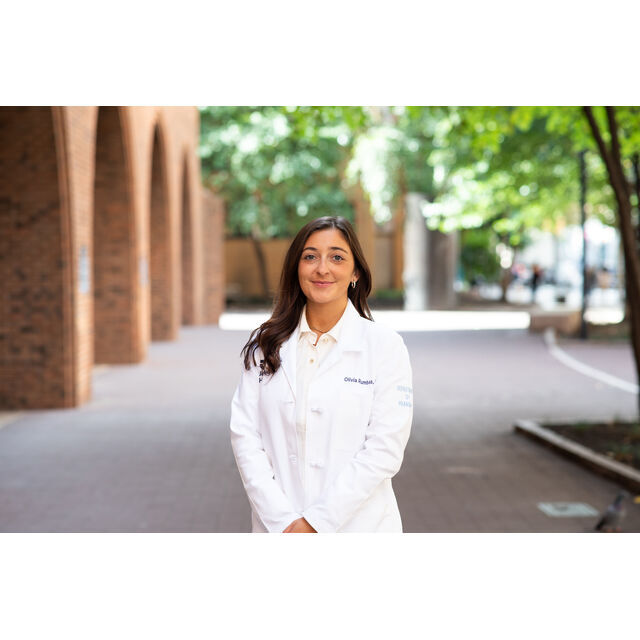
avatar for Olivia Rumbas

Olivia Rumbas

PGY1, Thomas Jefferson University Hospital
I graduated from Jefferson College of Pharmacy and am currently completing my PGY1 residency at Thomas Jefferson University Hospital. I look forward to continuing my training at Thomas Jefferson University Hospital as a Critical Care PGY2 resident and further developing my career... Read More →

Monday May 18, 2026 12:50pm - 1:10pm EDT
a.Pavilion Hub EAST

Sign up or log in to save this to your schedule, view media, leave feedback and see who's attending!

Share Modal

Share this link via

Or copy link