Loading…
PSHP 2026 Residency Conference has ended
Tuesday May 19, 2026 11:30am - 11:50am EDT
Purpose: This study was designed to evaluate whether a standardized inpatient pharmacist-driven naloxone protocol increased the number of naloxone prescriptions dispensed to patients at risk for opioid induced respiratory depression (OIRD). 
Methods: This was a retrospective, single-center, cohort study where a pharmacist-driven naloxone protocol was implemented directing pharmacists to identify patients prescribed an opioid and at high risk for OIRD. A report was developed to standardize identification of at-risk patients from April 2025 to June 2025. Pharmacist then counseled on the importance and use of naloxone, communicated with providers, and pended naloxone prescriptions. Patients included were those at risk for OIRD and expected to take opioids at discharge or have a diagnosis of opioid use disorder. Patients excluded were those less than 18 years old and those discharged to a rehabilitation or skilled nursing facility. Patients were characterized into either a pre- or post-protocol group based off the discharge date. Dispensing of the naloxone prescription was then confirmed with the affiliated outpatient pharmacy. This study was approved by the institutional review board. 
Results: Those included in the pre- and post-protocol groups were 54 and 42, respectively. The median age was 44 (range, 39 to 55), median BMI was 24 (range, 20 to 30) and median outpatient MME per day per patient was 180 (range, 45 to 564) in the pre-protocol group. The median age was 42 (range, 36 to 51), median BMI was 25 (range, 22 to 34) and median outpatient MME per day per patient was 94 (range, 46 to 360) in the post-protocol group. The total number of orders pended in the post-protocol group was 9 out of 42 (21%) and common reasons for not pending were either not documented (43%) or already had naloxone (28%). The number of naloxone prescriptions dispensed outpatient in the pre- and post-protocol groups are pending.  
Conclusion: The most common risk factors identified for OIRD were active smoking, diagnosis of opioid use disorder, and concomitant sedative/hypnotic use. The most common outpatient opioids prescribed were methadone, oxycodone, and buprenorphine/naloxone. Results on the impact on naloxone dispensing are pending. 
Moderators Speakers
avatar for Amanda Northup

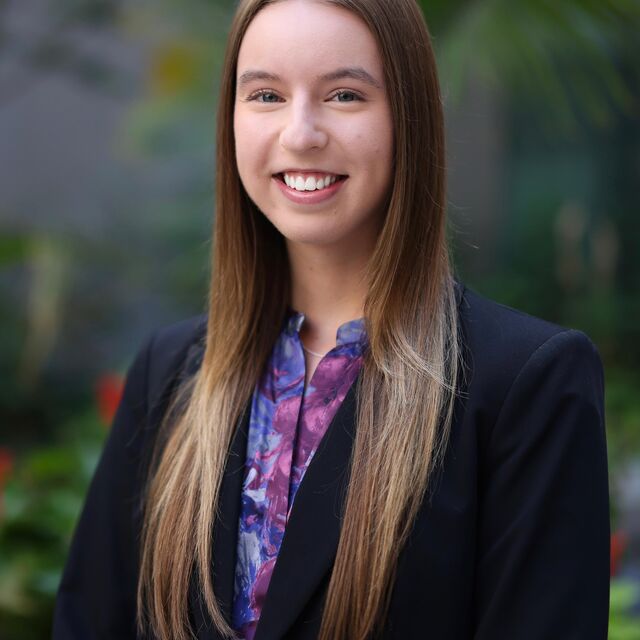
Amanda Northup

PGY1 pharmacy resident, Penn Medicine, Hospital of the University of Pennsylvania
My name is Amanda Northup, and I am a current PGY-1 pharmacy resident at the Hospital of the University of Pennsylvania. I am originally from Rochester, NY and received my PharmD from Binghamton University School of Pharmacy and Pharmaceutical Sciences. My career interests include... Read More →

Tuesday May 19, 2026 11:30am - 11:50am EDT
Broad Hub WEST

Sign up or log in to save this to your schedule, view media, leave feedback and see who's attending!

Share Modal

Share this link via

Or copy link