Loading…
PSHP 2026 Residency Conference has ended
Type: Addiction Medicine/Pain Management clear filter
Tuesday, May 19
 

10:30am EDT

Safety and Efficacy of Alpha-2 Agonists in the Setting of Fentanyl and Medetomidine Withdrawal
Tuesday May 19, 2026 10:30am - 10:50am EDT
Purpose
The purpose of this study was to characterize and assess the safety and efficacy of alpha-2 agonist utilization in the setting of fentanyl and presumed medetomidine withdrawal at a tertiary academic medical center in Philadelphia, PA.
 
Methods
This retrospective, single-center chart review evaluated patients admitted to an academic medical center between 1/1/2025 and 10/31/2025 with fentanyl and suspected medetomidine withdrawal and received an alpha-2 agonist(s) for withdrawal management. Patients were excluded if they received mechanical ventilation or vasopressors, experienced severe alcohol withdrawal, or underwent surgery during their withdrawal management. The primary objective was to characterize alpha-2 agonist use, including agent, dose, frequency, and route. Secondary objectives assessed safety and efficacy. Safety endpoints included incidence of hemodynamic instability and ICU disposition. Efficacy endpoints included incidence of ICU escalation and patient-directed discharge and the change in maximum Clinical Opiate Withdrawal Scale (COWS) scores within 72 hours of admission. 


Results
There were 100 included patients: 53 in the ICU and 47 on general medicine floors. All patients received clonidine, largely as oral tablets; 18% received tizanidine and 52% dexmedetomidine. The median maximum total daily dose of clonidine was 1.2 mg [IQR 1-1.6] for a median duration of 108.9 hours [IQR 72.7-159.7]. Dexmedetomidine had a median maximum infusion rate of 1.2 mcg/kg/hr [IQR 1-1.5] and a median of 27.3 hours [IQR 18.6-42]. Clonidine was held in 65% of patients (bradycardia). A heart rate <60 bpm occurred in 51% and a systolic blood pressure <90 mmHg in 5% of patients. The median COWS by day 2 had decreased from 22 [IQR 16.5-26] to 6 [IQR 4-8]. Many patients (58%) were discharged on clonidine, and 27% had self-directed discharge.


Conclusions
Alpha-2 agonists improved COWS scores over 72 hours and were well tolerated, with bradycardia being the most common adverse effect. Clonidine was the most frequently used alpha agonist, with dexmedetomidine reserved for ICU-level patients. Overall, these findings support the use of alpha-2 agonists for fentanyl with presumed medetomidine withdrawal management with careful hemodynamic monitoring and individualized dosing and tapering strategies.


This study was approved by the University of Pennsylvania Institutional Review Board (Protocol #859692).
Moderators Speakers
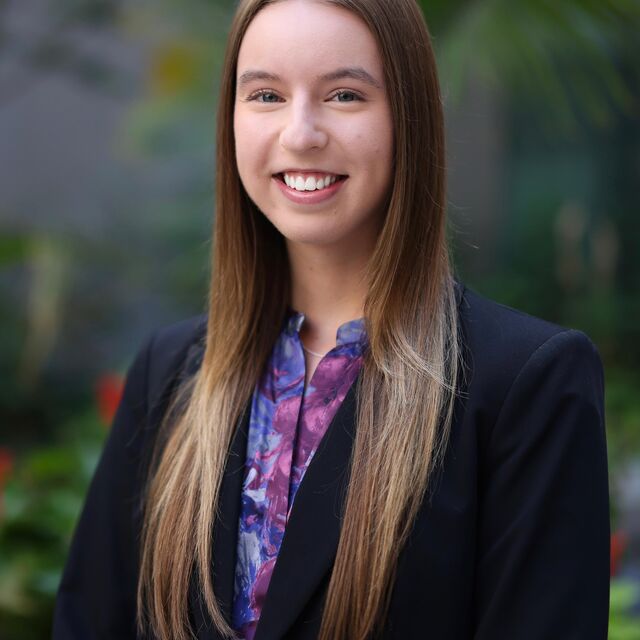
avatar for Julia Keating

Julia Keating

PGY1 Pharmacy Resident, Penn Medicine, Penn Presbyterian Medical Center
Julia Keating, PharmD, is a graduate of the University of South Carolina College of Pharmacy and is currently completing a PGY1 Pharmacy Residency at Penn Presbyterian Medical Center (PPMC). She will continue her postgraduate training at PPMC as a PGY2 Emergency Medicine Pharmacy... Read More →
Tuesday May 19, 2026 10:30am - 10:50am EDT
Broad Hub WEST

10:50am EDT

Assessment of Pharmacy Resident Education on Opioid with Suspected Adulterants Withdrawal Clinical Practice
Tuesday May 19, 2026 10:50am - 11:10am EDT

Purpose:  The purpose of this project is to evaluate the current treatment practices in the critical care units for complex withdrawal and organize formal education surrounding a high priority clinical topic.

Methods: The study will use a newly implemented protocol in the medical intensive care unit and pharmacy resident education to screen current treatment practices and assess gaps in knowledge. An anonymous survey was developed and consisted of questions regarding experience treating complex withdrawal and self-reported confidence in the management in clinical practice. Data will be collected including the attendees professional practice setting. The education and the survey will be presented to the appropriate departments and afterwards survey results will be used to assess changes in knowledge and confidence with future adherence to the implemented protocol. The primary endpoint is the improvement in healthcare professional knowledge regarding the management of complex withdrawal, measured by completed survey results. Secondary endpoint includes change in confidence pre and post-educational sessions.  
 
Results: Approximately ~75 healthcare professionals were given formal education, and a total of 40 were able to complete the survey due to access at time of presentation. Self-reported confidence in the treatment of opioid with suspected adulterant withdrawal increased from 42% to 78% after education was given. Two clinical questions regarding the presentation of medetomidine withdrawal were asked and 30% and 63% of responders were “not confident” in their answer choices. When asked to report confidence in using the presented material 78% and 96% of responders were confident in applying the material to clinical practice. Even though not every participant was able to take the pre- and post-surveys the reminders for close monitoring and proactive care has reinforced different specialties their importance in managing complex withdrawal. 
 
Conclusion: Implementation of a standardized complex withdrawal management protocol, along with educational sessions was found to improve self-reported confidence and knowledge in managing complex withdrawal. Ongoing monitoring of protocol use and interdisciplinary support to promote long-term adherence to the newly implanted protocol. Future evaluation may include clinical outcomes, such as length of hospital stay, length of intensive care unit stay and incidence of withdrawal-related complications 

Moderators Speakers
avatar for Erin Torrance

Erin Torrance

PGY1, Philadelphia VA, Corporal Michael J. Crescenz VA Medical Center
Current PGY-1 pharmacy resident at the Philadelphia VA, who graduated from Temple University's School of Pharmacy May 2025. Interests include pain management, addiction medicine and substance use disorder. Plans to stay at the Philadelphia VA to complete the PGY-2 in pain management... Read More →
Tuesday May 19, 2026 10:50am - 11:10am EDT
Broad Hub WEST

11:10am EDT

Impact of a Two-Part Training Program to Support Naloxone Education and Community Outreach: Outcomes of the NAME Initiative
Tuesday May 19, 2026 11:10am - 11:30am EDT
Purpose: 
North Philadelphia is disproportionately affected by opioid use disorder and related deaths. The objective of this study is to evaluate the effectiveness of a community-centered opioid harm reduction education program for pharmacy students.


Methods:
This is a prospective, quasi-experimental, pilot study evaluating outcomes of the Naloxone Access and Medication Education (NAME) Initiative. The study was conducted at a single ACPE-accredited school of pharmacy in Philadelphia, Pennsylvania. The program consisted of a two-hour training course followed by a two-hour community outreach Introductory Pharmacy Practice Experience (IPPE). Students completed pre- and post-surveys to assess their knowledge of opioid overdose recognition and response using the validated Opioid Overdose Knowledge Scale (OOKS) and confidence to engage meaningfully in community service using the validated Community Service Self-Efficacy Scale (CSSES). The primary endpoint was the change in OOKS scores pre- and post- didactic training. The secondary endpoint was the change in CSSES scores from pre- to post-IPPE. Pre- and post-survey data were analyzed using paired t-tests.


Results:
A statistically significant improvement of 0.91 points (SD ± 3.0) was seen in OOKS scores after students received didactic training (p=0.049). Significant improvement was primarily seen in the “Action” domain of the OOKS score (p=0.01). Seventy percent (31/44 students) completed the post-CSSES. Of those completed the survey, an improvement of 3.5 points (SD± 8.4) was observed; however, this was not statistically significant (p=0.053).


Conclusions:
Utilization of a didactic training program followed by a community outreach IPPE led to improvement in pharmacy student knowledge of opioid harm reduction and management and may increase perceived self-efficacy with educating community members.



Moderators Speakers
avatar for Sarah Thomas, PharmD

Sarah Thomas, PharmD

PGY-2 Internal Medicine Pharmacy Residency, Temple University School of Pharmacy

Sarah Thomas is currently a PGY-2 Internal Medicine Pharmacy Resident at Temple University School of Pharmacy. She previously completed her PGY-1 at Penn Presbyterian Medical Center and received her PharmD degree from Rutgers University. Her career interests include transitions of... Read More →
Tuesday May 19, 2026 11:10am - 11:30am EDT
Broad Hub WEST

11:30am EDT

Evaluation of a Pharmacist Driven Naloxone Protocol on Inpatient Naloxone Prescribing: A Retrospective Chart Review
Tuesday May 19, 2026 11:30am - 11:50am EDT
Purpose: This study was designed to evaluate whether a standardized inpatient pharmacist-driven naloxone protocol increased the number of naloxone prescriptions dispensed to patients at risk for opioid induced respiratory depression (OIRD). 
Methods: This was a retrospective, single-center, cohort study where a pharmacist-driven naloxone protocol was implemented directing pharmacists to identify patients prescribed an opioid and at high risk for OIRD. A report was developed to standardize identification of at-risk patients from April 2025 to June 2025. Pharmacist then counseled on the importance and use of naloxone, communicated with providers, and pended naloxone prescriptions. Patients included were those at risk for OIRD and expected to take opioids at discharge or have a diagnosis of opioid use disorder. Patients excluded were those less than 18 years old and those discharged to a rehabilitation or skilled nursing facility. Patients were characterized into either a pre- or post-protocol group based off the discharge date. Dispensing of the naloxone prescription was then confirmed with the affiliated outpatient pharmacy. This study was approved by the institutional review board. 
Results: Those included in the pre- and post-protocol groups were 54 and 42, respectively. The median age was 44 (range, 39 to 55), median BMI was 24 (range, 20 to 30) and median outpatient MME per day per patient was 180 (range, 45 to 564) in the pre-protocol group. The median age was 42 (range, 36 to 51), median BMI was 25 (range, 22 to 34) and median outpatient MME per day per patient was 94 (range, 46 to 360) in the post-protocol group. The total number of orders pended in the post-protocol group was 9 out of 42 (21%) and common reasons for not pending were either not documented (43%) or already had naloxone (28%). The number of naloxone prescriptions dispensed outpatient in the pre- and post-protocol groups are pending.  
Conclusion: The most common risk factors identified for OIRD were active smoking, diagnosis of opioid use disorder, and concomitant sedative/hypnotic use. The most common outpatient opioids prescribed were methadone, oxycodone, and buprenorphine/naloxone. Results on the impact on naloxone dispensing are pending. 
Moderators Speakers
avatar for Amanda Northup

Amanda Northup

PGY1 pharmacy resident, Penn Medicine, Hospital of the University of Pennsylvania
My name is Amanda Northup, and I am a current PGY-1 pharmacy resident at the Hospital of the University of Pennsylvania. I am originally from Rochester, NY and received my PharmD from Binghamton University School of Pharmacy and Pharmaceutical Sciences. My career interests include... Read More →
Tuesday May 19, 2026 11:30am - 11:50am EDT
Broad Hub WEST
 
Share Modal

Share this link via

Or copy link

Filter sessions
Apply filters to sessions.