Loading…
PSHP 2026 Residency Conference has ended
Type: Pediatrics clear filter
Monday, May 18
 

2:00pm EDT

Evaluation of time to first dose antibiotics in neonates with late-onset sepsis in a level-III intensive care nursery
Monday May 18, 2026 2:00pm - 2:20pm EDT
Purpose
To evaluate the compliance rate of administering the first dose of antibiotic within 60 minutes to neonates diagnosed with late-onset sepsis following the implementation of interdisciplinary education and electronic order set modifications. 
 
Methods
This was a retrospective, single center, observational study utilizing a pre- and post-intervention cohort of patients 72 hours old to 180 days old. Study timeframes for the pre- and post-interventional cohort were June 1, 2023 to December 31, 2023 and June 1, 2025 to December 31, 2025. The primary outcome of time to administration is a composite of the time from ordering to verification, verification to final preparation check, and final preparation check to administration. Antibiotics were not assessed for time to administration if they were not the very first antibiotic given for a new infection or an agent used to broaden antibiotic coverage. Antibiotic orders that did not broaden coverage were excluded if an antibiotic was given within the last 72 hours and all orders for treatment of early-onset sepsis were excluded. Secondary outcomes reviewed all-cause 14-day and 30-day mortality and presence of high-risk comorbidities.  
 
Results 
The primary outcome of time to antibiotic administration from order placement was statistically significant for being shorter in the post-cohort with a median difference of 12.5 minutes (p < 0.001) and 47.7% of patients in the post-cohort had antimicrobials within 60 minutes as compared to 23.9% of patients in the pre-cohort (p = 0.007). Furthermore, every component of the composite primary outcome was statistically significant for being shorter in the post-cohort (p < 0.001). The secondary outcomes of the number of patients with late-onset sepsis risk factors (p = 0.804), 14-day mortality (p = 0.244), and 30-day mortality (p = 0.818) were not statistically different between cohorts.  
 
Conclusion
A greater percentage of patients received antibiotics within 60 minutes, which suggests that the interventions made by Pennsylvania Hospital made a clinical difference. The secondary outcome data suggests that neonates in both the pre- and post-cohort had comparable risk factors for developing late-onset neonatal sepsis. There was no statistical difference in mortality between the cohorts. 
Moderators Speakers
avatar for Kaitlyn LeCompte

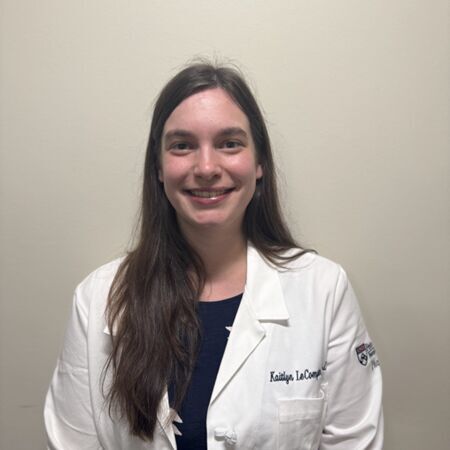
Kaitlyn LeCompte

PGY1, Penn Medicine, Pennsylvania Hospital
I am a PGY-1 acute care pharmacy resident practicing at Pennsylvania Hospital. I graduated from the University of Pittsburgh in 2025, and I will be pursuing a PGY-2 pharmacy residency in oncology. My other pharmaceutical interests include pharmacogenomics and pediatrics.
Monday May 18, 2026 2:00pm - 2:20pm EDT
Broad Hub WEST

2:20pm EDT

Evaluation of RSV Prevention Equity
Monday May 18, 2026 2:20pm - 2:40pm EDT
Purpose: Respiratory Syncytial Virus (RSV) is a leading cause of infant morbidity and mortality. The purpose of this study was to identify barriers to timely and equitable uptake of RSV prevention and evaluate their clinical impact. 


Methods: This was an IRB-exempted, single-center, retrospective chart review of infants born at Penn State Health Golisano Children’s Hospital from September 1, 2024 – March 31, 2025, with a first newborn follow up-visit post-hospital discharge within our system. The primary outcome was the percentage of mother-infant pairs who received RSV prophylaxis of any kind. Secondary outcomes included timing of infant RSV prophylaxis (age at administration of nirsevimab), time from discharge to first outpatient follow-up, and incidence of RSV infection and resulting hospitalization.


Results: 1364 infants were screened, and 946 met inclusion criteria. Of these, 76.7% of infants received RSV prophylaxis; 41.6% received nirsevimab, 35.1% with maternal vaccination, and 23.2% received no prophylaxis. Among prophylaxis recipients, 56.6% were White, 82.9% were not Hispanic, Latino, or Spanish origin, and 88.6% noted English as the preferred maternal language. Overall, 99.6% of infants who received RSV prophylaxis also received hepatitis B vaccine at a median age of 1 day of life, compared to 77.7% without RSV prophylaxis. Median time to outpatient follow-up post-hospital discharge was 2 days, with the median age of nirsevimab administration at 12 days (range 2-262). Commercial insurance was most common across groups.  


Conclusion: RSV prophylaxis uptake was lower than hepatitis B vaccine administration (76.7% vs 94.5%) in our study cohort. Hepatitis B vaccine is given inpatient at our health system, while nirsevimab is deferred to the outpatient setting. Given high hepatitis B vaccine uptake, lower nirsevimab use likely reflects access barriers rather than hesitancy. These findings highlight gaps in equitable access and the need to improve timely provision of RSV prevention.  


Moderators Speakers
avatar for Hunter Kline

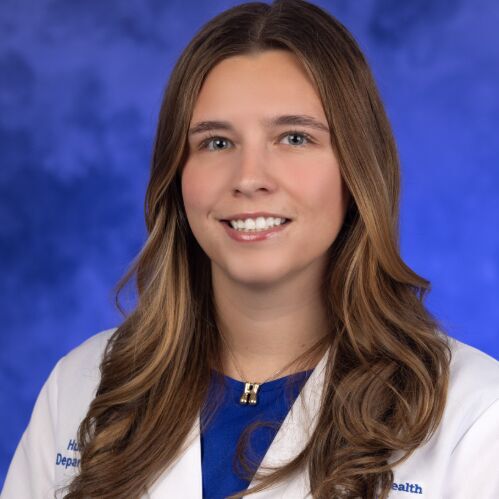
Hunter Kline

PGY1, Penn State Health Milton S. Hershey Medical Center
I’m originally from Dallas, PA, and got my PharmD from the University of Pittsburgh. I’ll be staying at Hershey next year to complete a PGY2 in Critical Care.

Monday May 18, 2026 2:20pm - 2:40pm EDT
Broad Hub WEST

2:40pm EDT

Retrospective Review of a Neonatal Hypoglycemia Management Protocol Prior to Implementation of Oral Dextrose Gel
Monday May 18, 2026 2:40pm - 3:00pm EDT
This study aimed to assess the rate of neonatal intensive care unit (NICU) admissions prior to addition of oral dextrose gel (ODG) to an internal treatment protocol for neonatal hypoglycemia. This was a single center retrospective review assessing the protocol without ODG. Inclusion criteria were gestational age ≥ 35 weeks, birth weight > 2 kg, and no other indication for NICU admission, pertinent exclusion criteria included receiving ODG. The primary outcome assessed was rate of NICU admission for neonatal hypoglycemia treatment and was descriptively compared to previously reviewed data for an internal treatment protocol with ODG. Secondary outcomes were resolution of hypoglycemia ≤ 60 minutes, length of stay (LOS) (hospital and NICU if applicable), and IV dextrose boluses administered. Additionally, data on maternal and fetal risk factors for severe hypoglycemia were collected. Data were extracted from the institutional electronic medical record (EMR) and REDCap was used for data storage. Statistical analysis utilized descriptive statistics. In the group without ODG, 285 charts were reviewed, 274 were excluded and 11 were included. Primary exclusion reason was an institutional EMR change limiting access to data needed to review eligibility criteria (n=157). In the protocol without ODG, 100% of patients were admitted to the NICU for hypoglycemia management with IV dextrose. In comparison, review of the protocol with ODG had a NICU admission rate of 27% (n=166). Total LOS in the without ODG protocol was a median (IQR) of 7 (6-13) days and NICU LOS was a median (IQR) of 7 (5-13) days. Three (27%) of 11 received dextrose boluses, none had resolution of hypoglycemia ≤ 60 minutes, and all received IV dextrose infusions. Results of this review demonstrated NICU admissions were frequent with the prior protocol and numerically higher compared to review done of the protocol with ODG. When not using ODG, feeds and dextrose boluses were unable to prevent IV dextrose infusions. Interpretation of results were limited by small sample size and access to data due to EMR change but will be useful for improving institutional management practices of neonatal hypoglycemia.
Moderators Speakers
BP

Bhoomi Parikh

PGY1, Penn Medicine, Hospital of the University of Pennsylvania
I am a current PGY1 acute care pharmacy resident and will be pursing a PGY2 in emergency medicine with sub-interests in neurology, addiction medicine, and toxicology. 
Monday May 18, 2026 2:40pm - 3:00pm EDT
Broad Hub WEST
 
Share Modal

Share this link via

Or copy link

Filter sessions
Apply filters to sessions.